

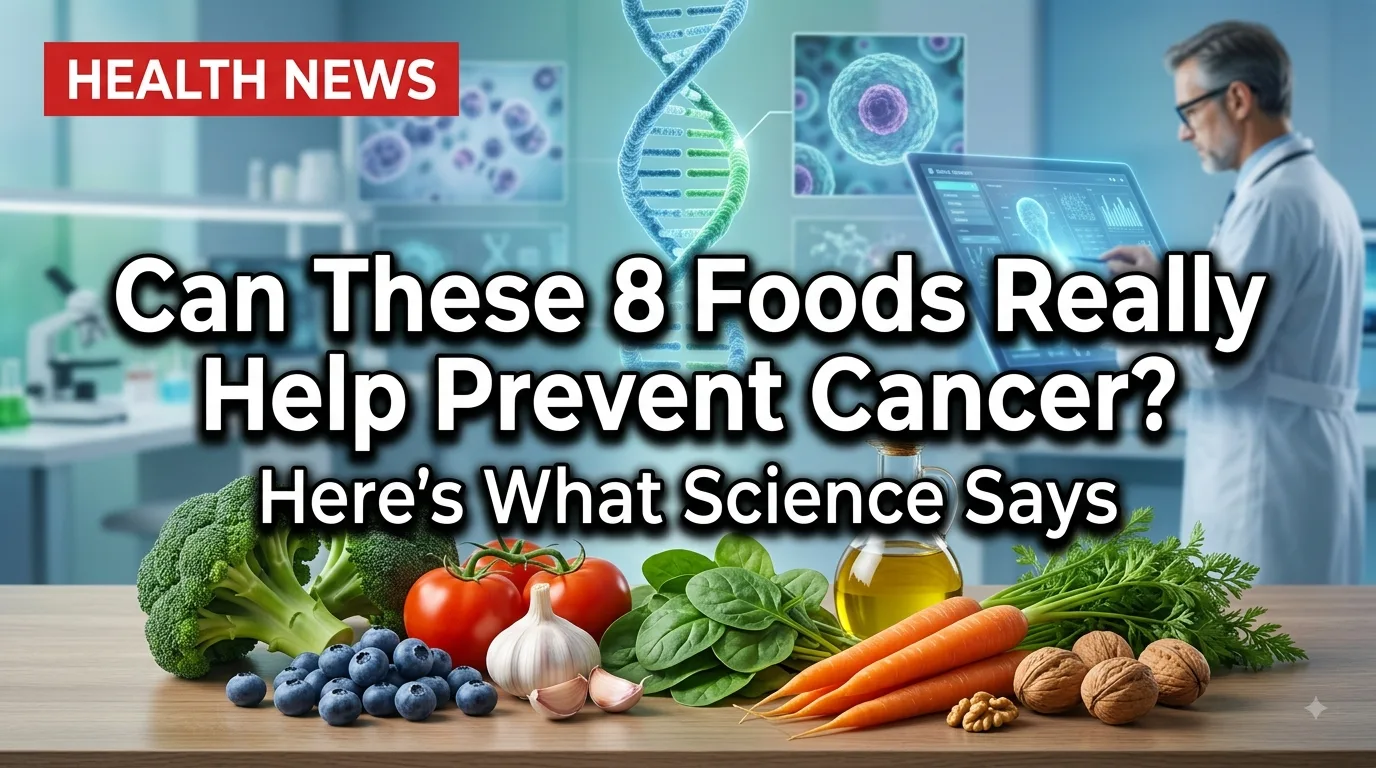
Can These 8 Foods Really Help Prevent Cancer? Here’s What Science Says
Cancer is one of the leading causes of death worldwide, and many people are searching for simple ways to reduce their risk. Social media is filled with claims that certain “superfoods” can prevent or even cure cancer. One popular post suggests that cancer is “afraid” of eight specific foods. But how much of that is actually true?
The reality is that no single food can prevent, treat, or cure cancer. However, scientific research has shown that a healthy, balanced diet rich in fruits, vegetables, whole grains, and healthy fats may help lower the risk of developing certain types of cancer. Experts agree that nutrition plays an important role in overall health, but it should always be considered as part of a healthy lifestyle rather than a miracle solution.
1. Broccoli
Broccoli belongs to the cruciferous vegetable family and contains natural compounds called glucosinolates. When the vegetable is chopped or chewed, these compounds are converted into substances that researchers believe may help protect cells from damage. Broccoli is also rich in vitamin C, fiber, and antioxidants that support overall health.
2. Berries
Blueberries, strawberries, raspberries, and blackberries are packed with antioxidants such as anthocyanins and vitamin C. These nutrients help protect cells from oxidative stress caused by free radicals. While berries cannot stop cancer on their own, they are considered an excellent addition to a healthy diet.
3. Tomatoes
Tomatoes are one of the best natural sources of lycopene, a powerful antioxidant that has been widely studied for its potential role in reducing the risk of certain cancers, particularly prostate cancer. Cooked tomatoes often provide even more absorbable lycopene than raw ones.
4. Garlic
Garlic contains sulfur compounds, including allicin, which have been investigated for their possible anti-inflammatory and antioxidant properties. Some studies suggest that regular garlic consumption may be associated with a lower risk of certain digestive system cancers, although more research is still needed.
5. Leafy Green Vegetables
Spinach, kale, and other leafy greens are rich in vitamins A, C, E, folate, and plant compounds that help support healthy cells. These vegetables are also high in fiber, which has been linked to a reduced risk of colorectal cancer.
6. Beans and Lentils
Beans, lentils, and other legumes provide plant-based protein, fiber, vitamins, and minerals. Their high fiber content supports digestive health and may contribute to a lower risk of several chronic diseases, including some forms of cancer.
7. Nuts
Almonds, walnuts, and pistachios contain healthy fats, antioxidants, and essential minerals. Research suggests that including nuts in a balanced diet may support heart health and could also contribute to a lower risk of certain cancers when combined with other healthy lifestyle habits.
8. Extra Virgin Olive Oil
A key component of the Mediterranean diet, extra virgin olive oil is rich in healthy monounsaturated fats and polyphenols. Numerous studies have associated the Mediterranean diet with a reduced risk of several chronic diseases, including certain cancers.
What the Science Really Says
Although these foods contain beneficial nutrients, there is no evidence that eating any specific food can prevent or cure cancer by itself. Cancer is a complex disease influenced by genetics, age, environmental factors, and lifestyle choices. Diet is only one part of the overall picture.
Health experts recommend maintaining a healthy weight, exercising regularly, avoiding tobacco, limiting alcohol consumption, protecting your skin from excessive sun exposure, and attending recommended medical screenings. These steps have much stronger scientific evidence for reducing cancer risk than relying on any single food.
Final Thoughts
Adding nutrient-rich foods such as broccoli, berries, tomatoes, garlic, leafy greens, beans, nuts, and olive oil to your daily meals is a smart choice for overall health. While these foods may help support the body’s natural defenses and contribute to a lower cancer risk, they should never be viewed as a cure or guaranteed protection. The best approach is to combine healthy eating with an active lifestyle and regular medical checkups to give yourself the greatest chance of long-term health.
