

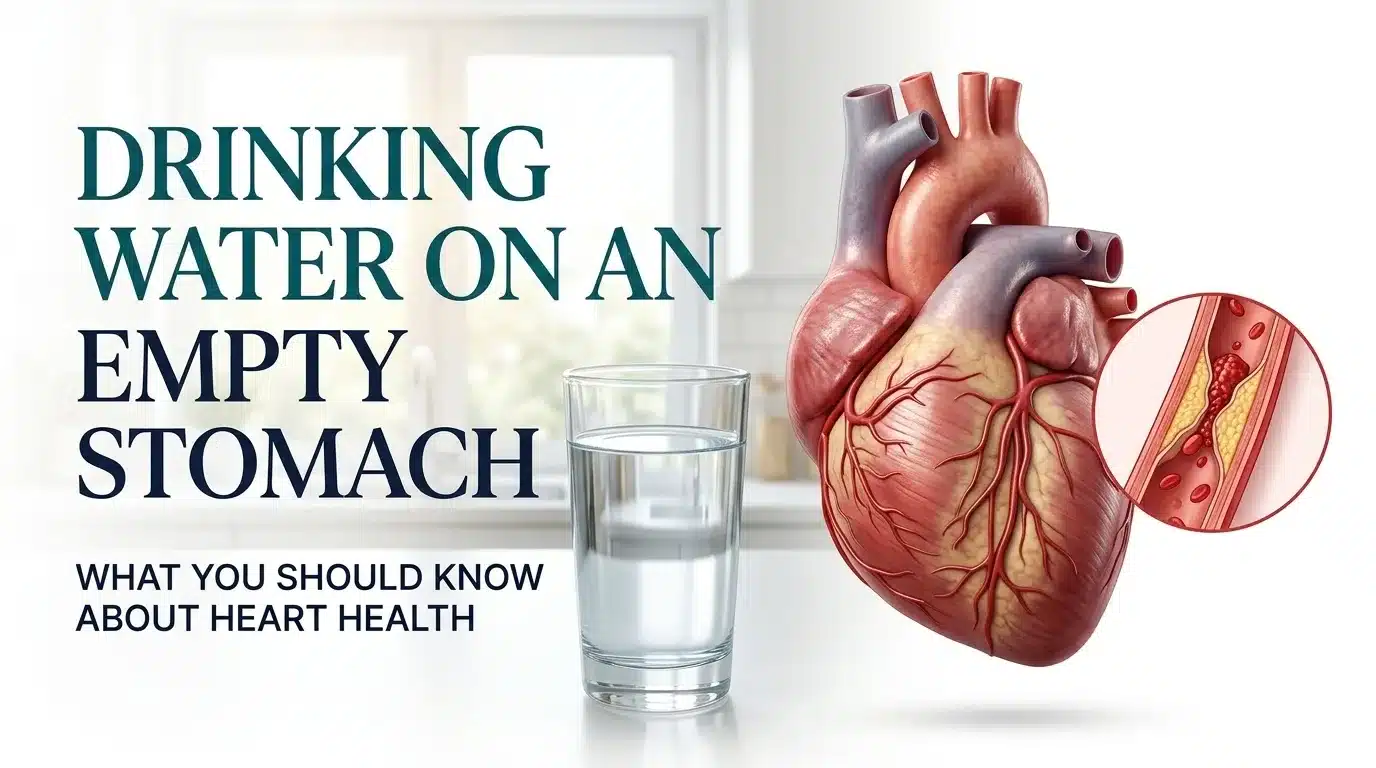
There is something simple about waking up, reaching for a glass of water, and starting the day hydrated.
For many people, drinking water on an empty stomach has become a popular morning habit. Some believe it can improve digestion, boost energy, flush toxins from the body, or even protect the heart.
But how much of that is actually supported by science?
The answer is more balanced than many viral health posts suggest. Water is essential for the body, and staying hydrated supports normal circulation, temperature regulation, digestion, and many other functions. However, there is no good evidence that drinking water immediately after waking up—or drinking it specifically on an empty stomach—can by itself prevent a heart attack.
So, what is really happening when you drink that first glass of water in the morning?
Why Drinking Water Matters in the First Place
Your body constantly loses water through breathing, sweating, urination, and bowel movements. Replacing those fluids throughout the day is important because your cells, tissues, and organs need water to function normally.
Mayo Clinic notes that water helps the body make fluids such as saliva and sweat, regulate temperature, remove waste, support digestion and nutrient absorption, and maintain fluid balance.
That makes hydration a useful everyday habit—but it is important not to confuse the benefits of being adequately hydrated with a special medical effect from drinking water at one particular time.
What Happens When You Drink Water on an Empty Stomach?
When you wake up, you may naturally feel thirsty, especially after several hours without drinking.
Having a glass of water can help replace fluids and may simply make you feel more refreshed. For someone who did not drink much the previous evening, that morning glass can be an easy way to start catching up on hydration.
There is nothing inherently wrong with drinking water on an empty stomach. In fact, for most healthy people, it can be a convenient part of a normal morning routine.
The important point is that your body does not suddenly switch into a special cleansing mode just because your stomach is empty.
Does Morning Water Protect Your Heart?
This is where online health claims often go too far.
The American Heart Association explains that staying hydrated helps the heart pump blood through the body and that dehydration can put additional stress on the cardiovascular system.
That does not mean that drinking a glass of water after waking up prevents blocked arteries or dissolves a blood clot.
Heart attacks are medical emergencies that can happen when blood flow to the heart becomes blocked. Atherosclerosis, in which plaque builds up in the coronary arteries, is one major cause of acute coronary syndromes.
Water is important for normal body function, but it should not be considered a treatment for coronary artery disease or a replacement for medical care.
Can Drinking Water Prevent a Blood Clot?
Another common claim is that drinking water on an empty stomach can “thin the blood” and stop dangerous clots from forming.
That claim needs to be treated carefully.
Adequate hydration supports normal body function, but drinking water is not the same thing as taking an anticoagulant or antiplatelet medication. Water should never be presented as a substitute for medicines prescribed to manage cardiovascular risk.
The American Heart Association specifically advises people not to start daily low-dose aspirin on their own; whether aspirin is appropriate depends on the individual and should be discussed with a healthcare professional.
Does Water Help With Digestion?
It can.
Water is involved in digestion and nutrient absorption, and adequate fluid intake is part of maintaining normal bodily functions.
Some people also find that having water in the morning helps them establish a regular routine.
But there is no need to believe that drinking a large amount of water immediately after waking “cleans out” your digestive system. Your body already has organs and systems—including the kidneys and liver—that handle waste removal.
A normal glass of water is enough. More is not automatically better.
Can Drinking Water Boost Energy?
Sometimes, especially when dehydration is contributing to tiredness.
Mayo Clinic notes that even mild dehydration can be associated with lower energy and difficulty thinking clearly.
That means someone who wakes up a little dehydrated may feel better after drinking water.
But the effect should not be confused with a stimulant effect. Water does not work like caffeine, and it cannot replace adequate sleep, nutritious food, or regular physical activity.
Still, making hydration part of your morning routine is a simple habit with very little effort.
How Much Water Should You Drink?
There is no universal amount that every person needs each day.
Mayo Clinic explains that fluid needs vary depending on factors such as age, activity level, health, location, and weather. Its guidance also points out that total fluid comes from both beverages and food.
The American Heart Association similarly notes that hydration needs can change depending on factors such as climate and how much you exercise.
So instead of forcing yourself to drink a huge amount of water every morning, pay attention to your thirst, activity, environment, and individual health needs.
Is Drinking Too Much Water Possible?
Yes.
Although excessive water intake is uncommon for most healthy adults, Mayo Clinic explains that drinking too much can lower sodium levels in the blood, a condition known as hyponatremia, which can be serious.
That is another reason not to follow viral advice telling everyone to drink extremely large quantities of water first thing in the morning.
Good hydration is about finding the right amount for your body—not winning a competition to drink the most.
The Best Morning Habits for Heart Health
If your real goal is protecting your heart, hydration can be part of the picture, but it should not be the whole plan.
Current American Heart Association guidance emphasizes an overall heart-healthy lifestyle that includes vegetables and fruits, whole grains, healthy protein sources, healthier fats, less added sugar, less sodium, and fewer highly processed foods.
Regular physical activity, not smoking, maintaining a healthy weight, and managing conditions such as high blood pressure and high cholesterol are also important parts of cardiovascular risk reduction.
A glass of water is easy. Building a healthy lifestyle is the bigger goal.
What Should You Actually Do When You Wake Up?
There is no complicated ritual required.
You can start your morning with a normal glass of water if you enjoy it. Then continue drinking throughout the day according to your needs.
A simple routine might look like this:
- Drink water when you are thirsty.
- Keep water available during the day.
- Drink more when you are sweating or exercising.
- Choose water instead of sugary beverages more often.
- Eat water-rich foods such as fruits and vegetables.
The American Heart Association describes water as the best choice for staying hydrated for most people and notes that fruits and vegetables can also contribute to hydration.
What About Lemon Water?
Adding lemon to water is perfectly reasonable if you enjoy the taste.
It can make drinking water more appealing and help some people establish a hydration habit. But lemon water should not be described as a special treatment for blocked arteries, blood clots, or heart attacks.
The benefit comes primarily from making it easier to drink water—not from a magical detox effect.
When Heart Symptoms Need Emergency Care
This is much more important than any morning hydration routine.
A heart attack can cause chest pressure, squeezing, fullness, or pain. Other symptoms can include discomfort in the arms, back, neck, jaw, or stomach, shortness of breath, nausea, sweating, or lightheadedness.
If someone has symptoms that may indicate a heart attack, do not try to treat the situation by drinking water and waiting.
The American Heart Association advises calling emergency services immediately when heart attack warning signs appear.
The Bottom Line
Drinking water on an empty stomach can be a simple and healthy way to start the day, especially if you wake up thirsty.
Water is essential for hydration, normal circulation, digestion, temperature regulation, and many other functions. Staying properly hydrated also supports the heart’s ability to pump blood efficiently.
But there is an important difference between saying that hydration supports health and claiming that drinking water immediately after waking up can prevent a heart attack.
There is no evidence that a specific morning glass of water can dissolve artery plaque, remove a blood clot, or prevent a heart attack on its own.
Think of morning water as one small healthy habit, not a miracle treatment.
For reliable information about hydration and cardiovascular health, the American Heart Association hydration guidance and Mayo Clinic’s water and hydration guide are useful starting points.
